In the modern dining landscape, the traditional paper menu is rapidly becoming a relic of the past. As diners seek more interactive and hygienic experiences, digital menus have emerged as a primary touchpoint for customer engagement. By integrating a digital interface like GeniaMenu, restaurants can provide real-time updates to their offerings, ensuring that guests are always viewing the most accurate information. This shift is not just about aesthetics; it is about meeting the digital-first expectations of today’s tech-savvy consumers.
Bridging the Gap Between Discovery and Booking A seamless reservation system should do more than just book a table; it should guide the guest through the entire journey. When a digital menu is integrated directly into the reservation process, potential diners can browse dishes and check for dietary accommodations before they even set foot in the building. This transparency builds confidence and excitement, turning a casual browser into a confirmed reservation. It creates a cohesive experience where the "what" and the "when" of dining are handled in one smooth interaction.
Real-Time Inventory and Dynamic Updates One of the greatest frustrations for both staff and guests is when a chosen dish is unavailable. Digital menus solve this problem by allowing for instantaneous updates. If a seasonal ingredient runs out, the kitchen can remove the item from the digital display across all platforms—web, mobile app, and in-house tablets—with a single click. This synchronization ensures that the expectations set during the reservation phase are perfectly aligned with the reality of the kitchen's inventory.
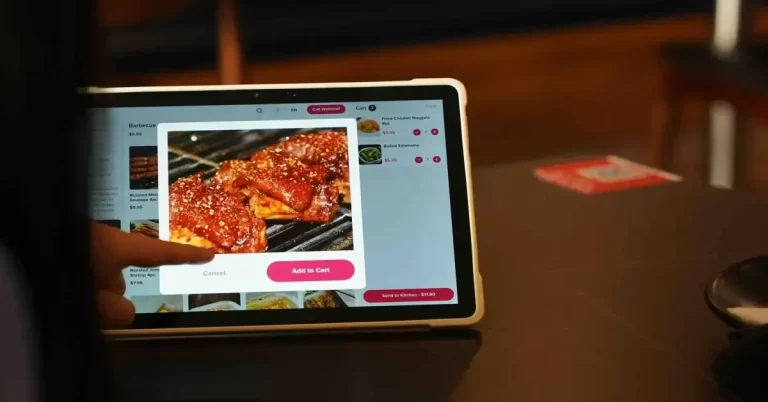
Enhancing Upselling and Visual Appeal Unlike static print, digital menus can leverage high-resolution imagery and even video to showcase daily specials and premium pairings. When guests use a reservation system that features a well-designed GeniaMenu interface, they are more likely to be influenced by professional food photography and strategic placement of high-margin items. This visual storytelling not only helps in defining the brand’s identity but also naturally increases the average order value through subtle, effective digital merchandising.
Streamlining Operational Workflow Integrating a menu system with a reservation platform allows for better data collection and operational planning. By analyzing which items guests view most frequently during the booking process, managers can predict demand and adjust staffing or stock levels accordingly. Furthermore, digital menus reduce the time servers spend explaining dishes or checking on availability, allowing them to focus on providing high-quality hospitality. It turns the menu into a functional tool for efficiency rather than just a list of items.
Building a Sustainable and Scalable Future Sustainability is no longer an option but a necessity for modern brands. Moving to a digital-only or digital-primary menu system eliminates the recurring costs and environmental impact of printing, laminating, and shipping paper menus. For growing restaurant groups, the scalability of GeniaMenu means that new locations can be added and synchronized instantly. This modern approach ensures that your establishment remains agile, eco-friendly, and ready to adapt to the ever-evolving demands of the hospitality industry.