1. Introduction: What Sentiment Analysis Is
Sentiment analysis is a method to understand how people feel about a product, service, or brand. It examines the words, tone, and context in text such as customer reviews, surveys, social media posts, or messages to determine whether opinions are positive, negative, or neutral. For businesses, this provides a view of customer perspectives, allowing teams to make decisions informed by real experiences rather than assumptions.
2. Why Understanding Customer Sentiment Matters
For businesses of all sizes, knowing how customers feel can have a direct impact on decisions. Recurring complaints in reviews or surveys show problems that need attention. Positive feedback highlights what is appreciated and should be maintained. Sentiment analysis helps businesses notice trends that may not be obvious, giving teams a clearer understanding of how services, products, and communications are received.
3. Collecting Feedback for Analysis
The first step is gathering customer feedback. This can come from online reviews, surveys, social media comments, emails, or chat messages. Every piece of text provides insight into customer experiences. Businesses can organize this data for analysis using simple digital tools, making it easier to identify patterns. Even small datasets can be useful if analyzed consistently over time.
4. Categorizing Feedback
Once feedback is collected, sentiment analysis sorts it into positive, negative, or neutral categories. Positive feedback shows what customers like or appreciate. Negative feedback points out problems, frustrations, or unmet expectations. Neutral feedback often contains observations or suggestions that are not strongly emotional. By separating feedback into these groups, businesses can see which areas are performing well and which need attention.
5. Turning Insights into Everyday Decisions
Sentiment analysis can guide a variety of practical decisions. Understanding recurring complaints helps staff resolve common issues faster. Insights into product or service features can guide updates or adjustments. Feedback also shows which communications or messages resonate with customers. Staff training can be shaped by understanding areas of dissatisfaction, and repeated negative feedback on certain processes may indicate the need for internal changes. These insights allow businesses to respond quickly to concerns and improve the overall experience.
6. Monitoring Changes Over Time
Tracking sentiment over weeks, months, or years provides a bigger picture of customer opinion. A rise in negative feedback can indicate emerging issues, while an increase in positive feedback shows that recent changes are effective. Monitoring trends ensures that decisions are proactive rather than reactive, allowing teams to address problems before they escalate.
7. Combining Data with Human Understanding
While sentiment analysis provides valuable insight, it is not perfect. Sarcasm, context, and cultural differences can affect accuracy. Reviewing key feedback manually helps clarify these nuances. Combining sentiment analysis with careful interpretation ensures that businesses act on accurate information and fully understand customer concerns.
8. Benefits Beyond Customer Service
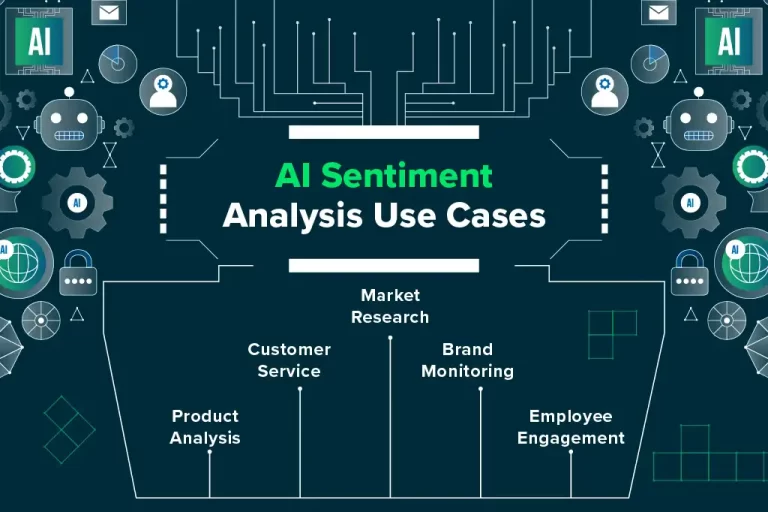
The value of sentiment analysis extends beyond immediate service or product adjustments. It helps businesses understand overall brand perception, gauge reactions to new initiatives, and guide internal planning. By looking at trends across different areas, teams can make informed choices about communication, offerings, and long-term direction.
9. Conclusion
Sentiment analysis gives businesses a way to see through the customer’s perspective, providing insights that guide everyday decisions. Collecting and interpreting feedback, monitoring trends, and combining automated analysis with human understanding allows businesses to address issues, recognize what works well, and adapt to customer needs. Using sentiment thoughtfully helps teams improve services, strengthen relationships with customers, and make decisions based on real experiences.