1. Introduction: Why Mobile Ordering Matters
Technology is changing the way restaurants interact with customers. Mobile ordering apps allow patrons to place orders directly from their phones, giving them flexibility and convenience. For restaurants, these apps help manage requests efficiently and reduce errors. Small and medium-sized restaurants, in particular, benefit by improving customer service while keeping operations organized.
2. Making Ordering Simple and Clear
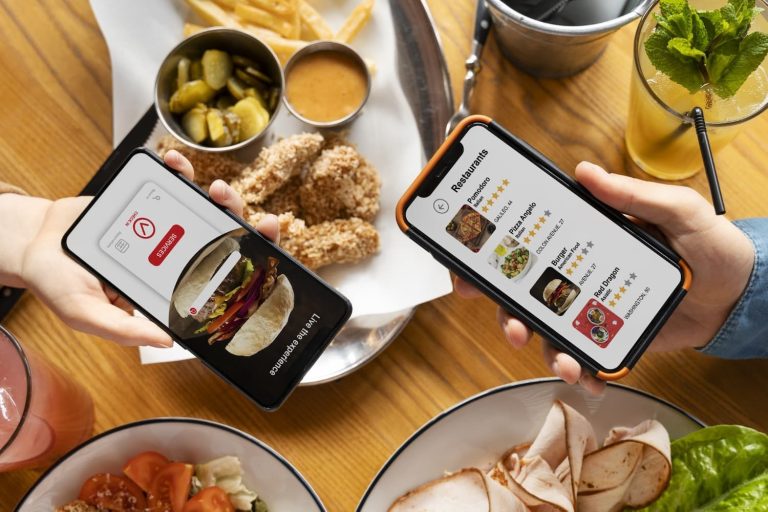
Mobile ordering apps give customers the ability to browse menus, customize items, and place orders without waiting in line or making phone calls. The clear digital interface reduces the chance of mistakes in orders, while giving customers confidence that their requests are recorded accurately. Orders are sent directly to the kitchen, providing staff with an organized workflow that helps manage multiple requests at once.
3. Managing Pickups and Deliveries
Apps can track the status of each order, including preparation, pickup, or delivery times. Customers can receive notifications when their order is ready or when delivery is on the way. This helps prevent confusion at pickup counters and reduces phone inquiries. For restaurants, this system allows better management of busy periods and ensures orders are fulfilled in the correct sequence.
4. Handling Customization and Special Requests
Many customers need specific changes to their orders, such as dietary preferences, allergies, or portion adjustments. Mobile apps allow these requests to be submitted clearly during the ordering process. Staff can review and prepare each order accurately, reducing mistakes and increasing customer satisfaction. This clarity is especially helpful during busy periods when verbal instructions may be missed.
5. Promoting Specials and Loyalty Programs
Restaurants can use mobile apps to share promotions, special menus, or discounts directly with customers. Loyalty programs built into apps track visits or purchases, giving customers incentives to return. Offering rewards and updates digitally strengthens the connection with regular customers and encourages repeat business without requiring extra staff effort.
6. Collecting Feedback and Understanding Preferences
Mobile apps can collect feedback quickly and easily after the order is completed. Surveys, ratings, or comments provide insight into customer satisfaction and areas for improvement. This feedback can help managers adjust menus, improve service, and better understand what customers enjoy. Digital collection makes it easier to review trends and track changes over time.
7. Benefits for Staff and Daily Operations
For restaurant staff, mobile ordering apps provide clear instructions and reduce the risk of miscommunication. Orders are displayed in an organized format, making preparation more efficient. Managers can view order trends, track peak hours, and plan staffing accordingly. This visibility helps maintain smoother operations during busy periods and keeps both customers and staff satisfied.
8. Reaching More Customers
Mobile ordering apps can reach customers who might not visit the restaurant in person. Takeout, delivery, or curbside pickup options expand the restaurant’s reach and provide a convenient option for people with busy schedules. Digital menus and ordering also make it easier to attract new customers who prefer online ordering over traditional methods.
9. Conclusion
Mobile ordering apps provide practical advantages for both customers and restaurants. They make ordering faster, reduce errors, help manage pickups and deliveries, and allow for clear communication regarding special requests. Restaurants can share promotions, track loyalty, and gather feedback to improve the experience further. By using mobile apps thoughtfully, restaurants can create smoother operations, enhance customer satisfaction, and encourage repeat visits.