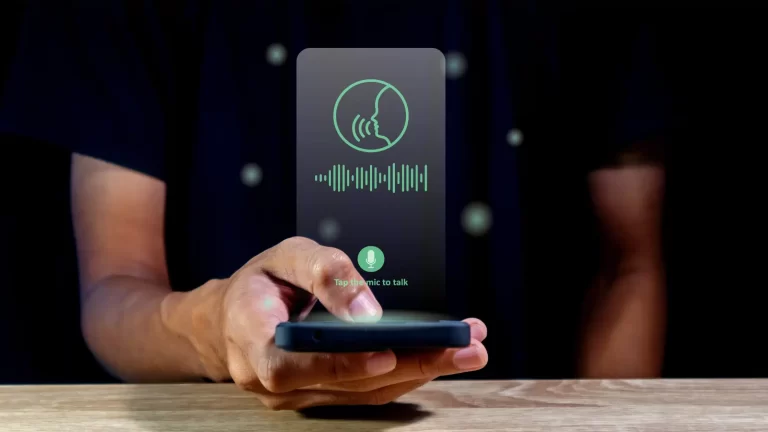
The Shift to Voice-Driven Business
In the fast-evolving landscape of 2026, the keyboard is no longer the primary gateway to digital productivity. Automatic Speech Recognition (ASR) technology has transitioned from a specialized tool to a fundamental component of daily business communications. By converting spoken language into text with surgical precision, ASR allows professionals to interact with their software ecosystems more naturally. This shift is not just about convenience; it is a strategic move toward a hands-free, high-velocity work environment where ideas are captured at the speed of thought.
Real-Time Documentation and Transcription
One of the most immediate benefits of integrating ASR into your daily workflow is the elimination of manual note-taking. Whether in a high-stakes boardroom meeting or a quick team sync, ASR systems provide real-time transcription that captures every detail accurately. This ensures that no critical action item is missed and that all participants remain fully engaged in the conversation rather than distracted by their screens. These live transcripts become searchable, permanent records that strengthen institutional memory and departmental accountability.
Enhancing Accessibility and Inclusivity
Integrating ASR technology is a major step toward creating a truly inclusive workplace. For employees with visual impairments or motor-function challenges, voice-to-text capabilities provide an essential bridge to full digital participation. Furthermore, real-time captioning powered by ASR supports staff who are hard of hearing or those working in loud environments. By removing traditional barriers to communication, businesses can leverage a more diverse talent pool and ensure that every voice in the organization is heard and documented.
Streamlining Mobile and Remote Operations
For a modern, mobile workforce, the ability to communicate on the go is vital. ASR technology enables field agents, sales teams, and remote executives to update CRMs, send detailed reports, and manage tasks using only their voice. This "voice-first" approach is particularly valuable during commutes or on-site visits where manual data entry is impractical or unsafe. By integrating ASR into mobile business applications, companies ensure that their data stays current and their employees stay productive, regardless of their physical location.
Intelligent Routing and IVR Evolution
ASR is also revolutionizing how businesses handle external communications through Interactive Voice Response (IVR) systems. Instead of forcing customers to navigate frustrating numeric menus, ASR allows them to state their needs in natural language. The system accurately interprets the intent and routes the call to the appropriate department instantly. This results in shorter wait times, reduced frustration for callers, and a more professional brand image that respects the customer's time from the very first interaction.
Turning Spoken Data into Actionable Insights
The integration of ASR does more than just create text; it creates a new category of data. When combined with AI-driven analytics, these voice-to-text records allow businesses to identify recurring themes, customer pain points, and successful communication patterns. Managers can analyze thousands of hours of spoken interactions to coach teams more effectively and refine marketing strategies. By turning daily conversations into a structured data resource, ASR helps organizations make smarter, evidence-based decisions for long-term growth.