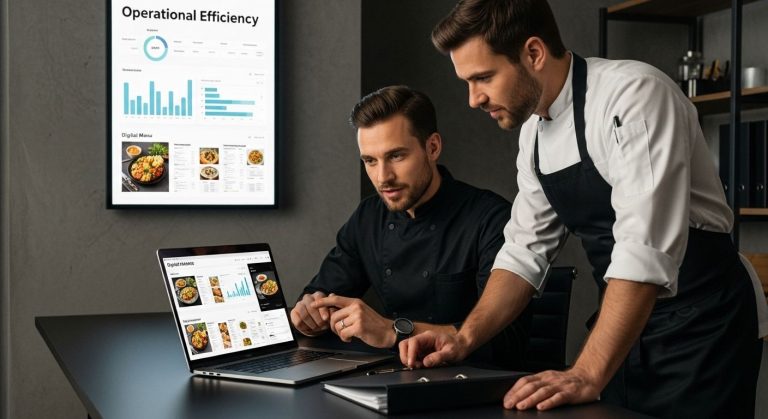
The Hidden Expenses of Traditional Menus
In the hospitality industry, the hidden costs associated with physical menus are often underestimated. Beyond the initial design and high-quality printing, there are recurring expenses for every minor price adjustment, seasonal update, or the physical wear and tear that leads to frequent replacements. For a busy restaurant, these costs can add up to thousands of dollars annually. By transitioning to a digital format, businesses can eliminate these print-related overheads entirely, allowing those funds to be redirected toward higher-quality ingredients or staff development.
Instant Updates and Dynamic Pricing
One of the most significant operational advantages of a digital system is the ability to make real-time changes without any additional cost. In a traditional setting, a change in supplier costs might take weeks to reflect on a printed menu, during which time profit margins are eroded. With a digital menu, prices and items can be adjusted instantly across all platforms. This agility allows managers to implement dynamic pricing for "happy hours" or flash specials, ensuring that the menu is always optimized for maximum profitability.
Reducing Order Errors and Kitchen Waste
Miscommunication between the guest, the server, and the kitchen is a leading cause of food waste and financial loss. Digital menus that allow for direct ordering or clear visual descriptions minimize these human errors. When guests can see high-resolution images and clear allergen information, they are more likely to order exactly what they want. This precision leads to fewer "sent back" dishes, reducing kitchen waste and ensuring that the cost of goods sold remains aligned with actual revenue.
Maximizing Labor Efficiency
Labor is typically the highest operational cost in hospitality. Digital menus act as a force multiplier for your front-of-house team. By allowing guests to browse the menu and even place orders or pay through their mobile devices, servers are freed from the repetitive tasks of taking basic orders and running checks. This allows a smaller staff to manage a larger number of tables more effectively, improving service speed and reducing the total labor hours required per shift without sacrificing the guest experience.
Streamlining Inventory Management
Integration between a digital menu and a back-end management system provides a level of inventory control that physical menus simply cannot match. When an item is marked as "out of stock" in the system, it disappears from the guest's view instantly. This prevents the operational friction of a server having to return to a table to apologize for an unavailable dish—a process that wastes time and diminishes customer satisfaction. This seamless synchronization ensures that the kitchen and the dining room are always in perfect alignment.
Long-term Scalability and Sustainability
For restaurant groups looking to scale, digital menus offer a "plug-and-play" solution that ensures brand consistency across multiple locations without the logistics of shipping print materials. Furthermore, the environmental impact of traditional menus—paper waste, chemical lamination, and transport—is becoming a liability for brands focused on sustainability. Adopting a digital-first approach not only slashes operational costs but also aligns the business with the eco-conscious values of the modern diner, securing a more sustainable and profitable future.