Beyond Aesthetics: The Synergy of Form and Function
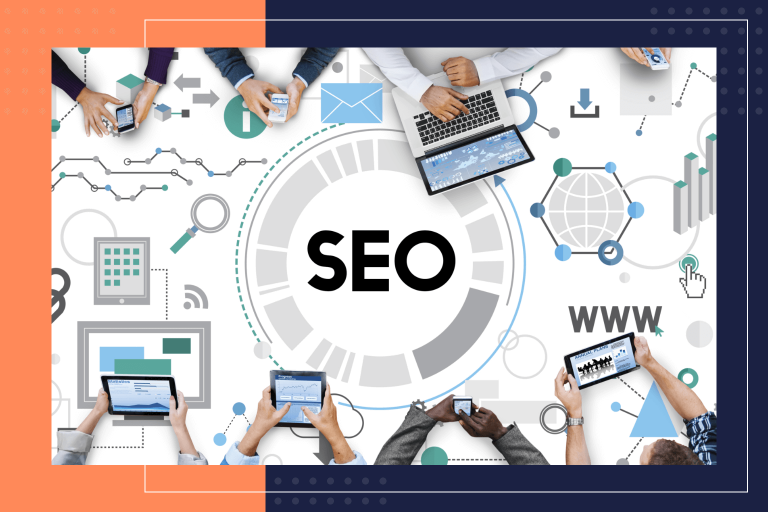
In the digital landscape of 2026, a beautiful website that cannot be found is as ineffective as a functional site that drives users away with poor design. The intersection of web design and Search Engine Optimization (SEO) is where true digital presence is built. SEO is no longer just about keywords, and design is no longer just about visuals; they are two sides of the same coin. A site must be structured to appeal to both the algorithms of search engines and the psychological needs of human visitors to achieve long-term success.
Core Web Vitals and User Experience
Modern search engines prioritize user experience (UX) as a primary ranking factor. This includes "Core Web Vitals" such as loading speed, visual stability, and interactivity. A high-end web design that incorporates heavy, unoptimized images or complex scripts might look stunning, but it will suffer in search rankings if it slows down the user’s journey. Effective design involves technical optimization—ensuring that the site is lightweight and responsive—so that it satisfies the technical requirements for high visibility while providing a smooth experience for the guest.
Architecture and Indexability
The structural design of a website dictates how easily search engines can "crawl" and index its pages. A well-organized site architecture uses intuitive navigation and a logical hierarchy of headings, which helps search engines understand the relationship between different topics. From a design perspective, this translates to a clear, uncluttered interface that guides the user toward their goal. When design and SEO are aligned, the site’s "map" serves both the robot and the human, ensuring that all valuable content is discoverable and easy to consume.
Mobile-First Design as a Ranking Priority
With the majority of global web traffic originating from mobile devices, a mobile-first approach is no longer optional. Search engines now primarily use the mobile version of a site's content for indexing and ranking. A digital presence that prioritizes mobile design—ensuring buttons are touch-friendly, text is readable without zooming, and layouts adapt to any screen size—directly boosts SEO performance. This intersection ensures that the brand remains accessible and professional, regardless of how the customer chooses to connect.
Content Readability and Visual Hierarchy
SEO-driven content must be presented in a way that encourages engagement. If a user lands on a page from a search result but is met with a "wall of text" and no visual cues, they are likely to "bounce" back to the search results. Effective web design utilizes visual hierarchy—using bold headings, bullet points, and strategic white space—to make the information scannable. By keeping users on the page longer, good design signals to search engines that the content is valuable, which in turn improves the site’s authority and ranking over time.
Conversion Rate Optimization (CRO)
The ultimate goal of a strong digital presence is to turn visitors into customers. This is where SEO-driven traffic meets design-driven conversion. By integrating clear Call-to-Action (CTA) buttons and trust signals into the design, a website can capitalize on the traffic generated by its search strategy. Whether it is a "Start a Project" button or a contact form, the placement and design of these elements are crucial. A site that balances high-ranking content with a high-converting layout ensures that every click has the potential to become a business opportunity.