The Invisible Threat of System Neglect In the digital-first economy of 2026, many organizations view software as a one-time purchase rather than a living asset. However, neglecting the health of your digital infrastructure is a recipe for disaster. Without regular attention, minor inefficiencies and outdated components accumulate over time, creating a fragile system prone to sudden failure. Business downtime isn't just a technical glitch; it’s a total halt in productivity that can cost thousands of dollars per hour in lost revenue and employee downtime.
Proactive Updates vs. Reactive Repairs The primary goal of software maintenance is to move from a reactive "break-fix" mentality to a proactive strategy. Regular updates involve more than just adding new features; they include critical patches that address underlying bugs and performance bottlenecks. By identifying and resolving these issues before they manifest as a system crash, maintenance teams ensure that your operations remain fluid. This consistent care keeps the software running at peak efficiency, preventing the catastrophic "blue screen" moments that paralyze a business.
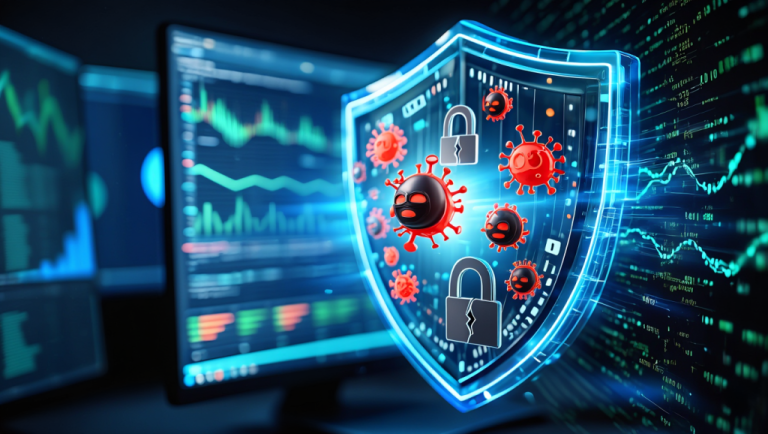
Strengthening the Shield Against Cyber Threats One of the most dangerous consequences of skipping software maintenance is the exposure to security vulnerabilities. Hackers constantly search for exploits in outdated code and unpatched software. Maintenance plans prioritize security updates that "close the doors" to potential intruders. In an era where data breaches can lead to massive legal penalties and a loss of customer trust, keeping your software updated is your first and most important line of defense against cybercrime and unauthorized access.
Optimizing Performance and Speed Software that isn't maintained tends to slow down as it ages and as data volumes increase. This "software bloat" leads to longer loading times and frustrating delays for both employees and customers. Routine maintenance includes code optimization and database cleaning, ensuring that the system remains fast and responsive. When software performs well, users stay engaged and tasks are completed faster, directly contributing to a more efficient and profitable business environment.
Ensuring Compatibility in a Changing Tech Stack Your software does not exist in a vacuum; it interacts with operating systems, browsers, and third-party integrations that are constantly evolving. If your core business software isn't regularly maintained, it will eventually lose compatibility with these other essential tools. This leads to integration failures and data silos that disrupt the flow of information across your company. Maintenance ensures that your entire tech stack remains synchronized, allowing different platforms to communicate without friction.
Protecting Long-Term ROI and Brand Reputation Ultimately, investing in regular maintenance is far cheaper than the cost of a full system overhaul or a prolonged period of downtime. Beyond the financial impact, frequent outages damage your brand's reputation and erode customer confidence. Reliability is a cornerstone of brand loyalty; customers expect your digital services to be available whenever they need them. By prioritizing software maintenance, you protect your initial investment, extend the life of your technology, and ensure that your brand remains a symbol of stability and professionalism.